EMT Essentials Antibody Kit PK30014 proteintech
$449.00
In stock
SKU
PK30014
| Catalog Number | PK30014 |
| Synonyms | United States |
| Applications | Target Dependent |
| Host / Isotype | Target Dependent |
| Antigen | Catalog No. Host, clonality Tested Reactivity Applications Volume |
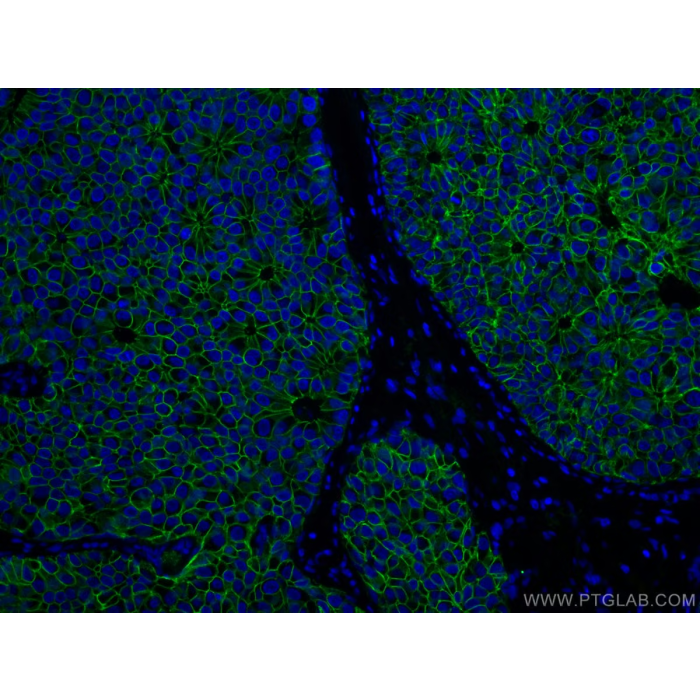
| E-cadherin | 60335-1-Ig Mouse monoclonal H, R, Pg WB, IHC, IF, FC, ELISA 20 uL |
| N-cadherin | 66219-1-Ig Mouse monoclonal H, M, R, Pg, Rb WB, IHC, IF , ELISA 20 uL |
| Vimentin | 80232-1-RR Rabbit monoclonal H, M, R WB, IHC, IF , ELISA 20 uL |
| SNAI1 | 13099-1-AP Rabbit polyclonal H, M, R WB, IHC, IP , ELISA 20 uL |
| MMP-2 | 66366-1-Ig Mouse monoclonal H, M, R, Pg WB, IHC , ELISA 20 uL |
| Range | {{ptg:compareRange}} |
| Test | 20T, 100T, 500T |
The epithelial to mesenchymal transition (EMT) is a process by which epithelial cells transform into mesenchymal cells, allowing them to gain migratory and invasive properties. While a normal feature of embryonic development and tissue regeneration, EMT is often upregulated and becomes a key driver of metastases in several cancers including colorectal, breast, gastric, and melanoma. The EMT process itself typically involves the loss of epithelial markers such as E-cadherin and upregulation of mesenchymal makers such as fibronectin, N-cadherin, and Vimentin. It also requires the expression of transcription factors such as Snail, Slug, and Twist, which help to drive the transition into the mesenchymal phenotype. Matrix metalloproteinases (MMPs) additionally degrade the surrounding extracellular matrix and allow for the transformed cells to collectively migrate. The EMT process is commonly confirmed in cancer cells and tissue through western blot and immunohistochemistry. Standard Protocols Click here to view our standard protocols for various applications including WB, IP, IHC, IF, FC, and ELISA. Cited in Article as PK30014, EMT Essentials Antibody Kit, Proteintech, IL, USA Documentation Datasheet EMT Essentials Antibody Kit Datasheet