Recombinant Human Leptin protein (Catalog#10221-HNAE)
Preparation
Produced in rabbits immunized with purified, recombinant Human Leptin (rh Leptin; Catalog#10221-HNAE; NP_000221.1; Val 22-Cys 167). Leptin specific IgG was purified by human Leptin affinity chromatography.
Source
Polyclonal Rabbit IgG
Purification
Protein A & Antigen Affinity
Formulation
0.2 μm filtered solution in PBS
Conjugate
Unconjugated
Form
Liquid
Shipping
This antibody is shipped as liquid solution at ambient temperature. Upon receipt, store it immediately at the temperature recommended below.
Storage
This antibody can be stored at 2℃-8℃ for one month without detectable loss of activity. Antibody products are stable for twelve months from date of receipt when stored at -20℃ to -80℃. Preservative-Free. Avoid repeated freeze-thaw cycles.
Leptin is one of the most important hormones secreted by adipocytes, as an adipokine that modulates multiple functions including energy homeostasis, thermoregulation, bone metabolism, endocrine, and pro-inflammatory immune responses. The circulating leptin levels serve as a gauge of energy stores, thereby directing the regulation of energy homeostasis, neuroendocrine function, and metabolism. Recent studies suggest that leptin is physiologically more important as an indicator of energy deficiency, rather than energy excess, and may mediate adaptation by driving increased food intake and directing neuroendocrine function to converse energy, such as inducing hypothalamic hypogonadism to prevent fertilization. One of these functions is the connection between nutritional status and immune competence. The adipocyte-derived hormone Leptin has been shown to regulate the immune response, innate, and adaptive response, both in normal and pathological conditions. Thus, Leptin is a mediator of the inflammatory response. Leptin has a dual effect on bone, acting by two independent mechanisms. As a signal molecule with growth factor characteristics, leptin can stimulate osteoblastic cells and inhibit osteoclast formation and activity, thus promoting osteogenesis. However, as a molecule that stimulates sympathetic neurons in the hypothalamus, leptin indirectly inhibits bone formation. This inhibitory effect of leptin mediated by activation of the sympathetic nervous system can be abrogated by the application of blood pressure-reducing beta-blockers, which also inhibit receptors of hypothalamic adrenergic neurons. Leptin appears to regulate some features defining Alzheimer's disease (AD) at the molecular and physiological level. Leptin can stimulate mitogenic and angiogenic processes in peripheral organs. Because leptin levels are elevated in obese individuals and excess body weight has been shown to increase breast cancer risk in postmenopausal women. Furthermore, a recent report clearly shows that targeting leptin signaling may reduce mammary carcinogenesis.
Research Areas
Neurotransmitter Associated Enzymes
Related Pathways
AMPK Signaling Pathway
References
Surmacz E. (2007) Obesity hormone leptin: a new target in breast cancer? Breast Cancer Res. 9(1): 301.
Wodarski K, et al. (2009) Leptin as a modulator of osteogenesis. Ortop Traumatol Rehabil. 11(1): 1-6.
Tezapsidis N, et al. (2009) Leptin: a novel therapeutic strategy for Alzheimer's disease. J Alzheimers Dis. 16(4): 731-40.
Cai C, et al. (2009) Leptin in non-autoimmune inflammation. Inflamm Allergy Drug Targets. 8(4): 285-91.
Fernndez-Riejos P, et al. (2010) Role of leptin in the activation of immune cells. Mediators Inflamm. 2010: 568343.
Kelesidis T, et al. (2010) Narrative review: the role of leptin in human physiology: emerging clinical applications. Ann Intern Med. 152(2): 93-100.

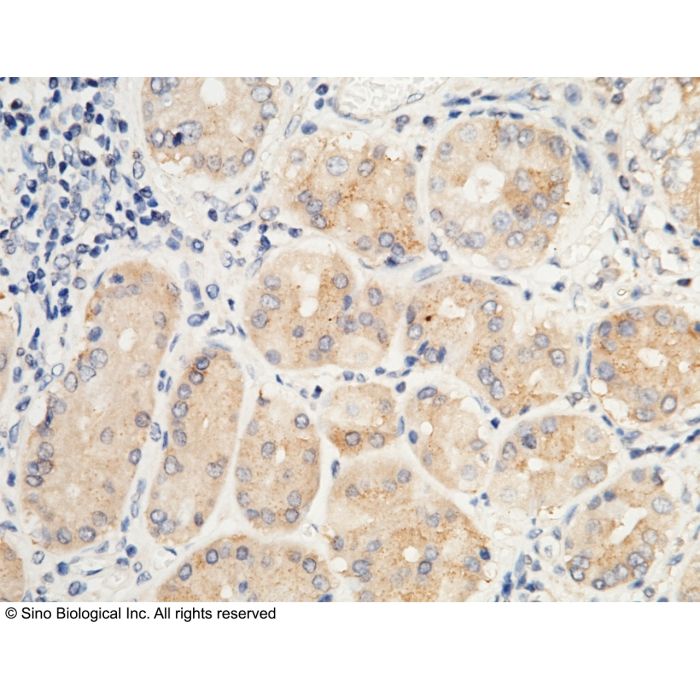
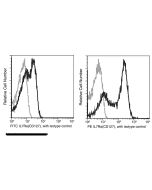

-1ug-stomach.png)