Overview
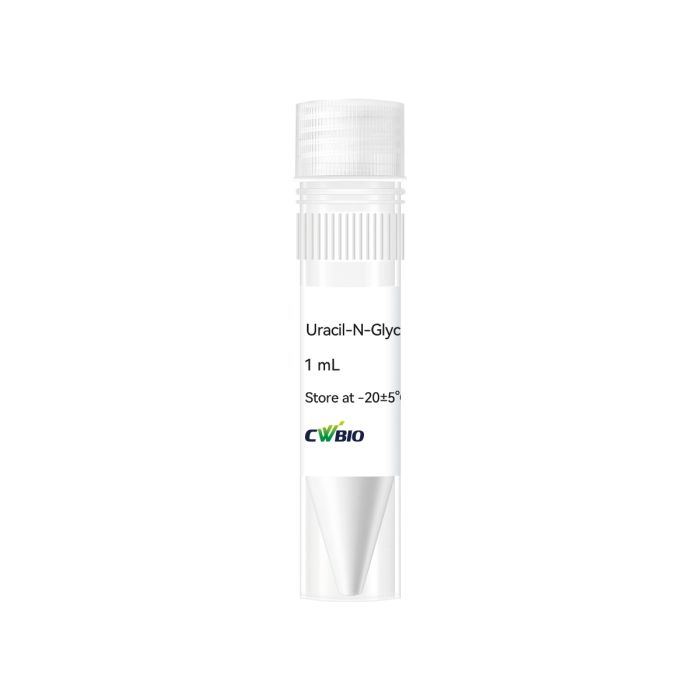
Uracil-N-glycosylase (UNG), also known as uracil DNA glycosylase (UDG), is a recombinant enzyme expressed and purified using Escherichia coli. This protein has a molecular weight of 25 kD and catalyses the release of free uridine from uridine-containing single-stranded and double-stranded DNA; it is inactive towards RNA and is primarily used to prevent contamination of PCR amplification products. The mechanism of action of this enzyme is as follows: in a PCR reaction, dUTP is substituted for dTTP; all T bases in the amplified product fragments are replaced by U, resulting in PCR amplification products containing dU bases. UNG selectively cleaves the glycosidic bonds of the U base in single-stranded and double-stranded DNA, degrading U-containing DNA in the reaction system. This effectively eliminates residual contamination in PCR products, significantly reducing false positives caused by product contamination, thereby ensuring the specificity and accuracy of the amplification.
instructions
Reviews
Write Your Own Review
Related Products
Check items to add to the cart or