Recombinant Human/Murine/Rat BDNF(Cat. No.:GMP-C076) novoprotein
$50.00
In stock
SKU
GMP-C076
50μg: Inquiry
500μg: Inquiry
1mg: Inquiry
Description
Brain-derived neurotrophic factor (BDNF) is a member of the neurotrophic factor family. BDNF binds with high affinity to the TrkB kinase receptor, alongside other neurotrophic factors such as NGF, NT-3, and NT-4. It also binds to LNGFR (low-affinity nerve growth factor receptor, also known as p75). BDNF promotes the survival, growth, and differentiation of neurons. It is a major regulatory factor for synaptic transmission and plasticity in the adult central nervous system. The expression levels of BDNF are altered in neurodegenerative diseases such as Parkinson's disease and Alzheimer's disease.
Recombinant Human/Murine/Rat BDNF is expressed by E.coli, and is produced with raw materials of pharmaceutical applicable level. The host protein residue, nucleic acid residue and common pathogens are strictly controlled, and the production and quality management procedures of the product comply with GMP regulations to ensure the traceability of the production process and all raw materials.
Usage
In-vitro cultivation of various types of cell.
Quality Control
| Item | Standard |
| Appearance | White porosity / white powder |
| Reconstitution | Conform to ChP |
| Visible particle | Conform to ChP |
| pH value | 6.7-7.7 |
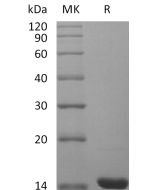
| Purity | ≥ 95% |
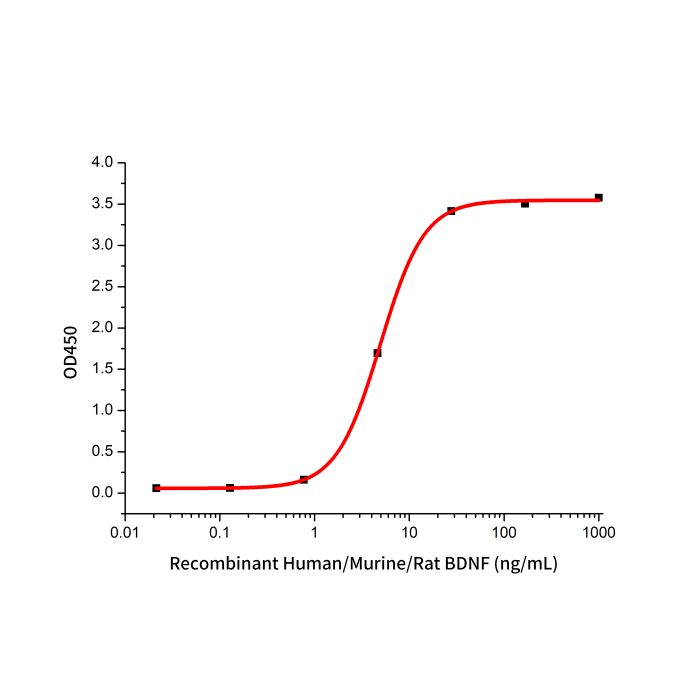
| Bioactivity | ≤ 20 ng/mL |
| Endotoxin | < 10 EU/mg |
| Host protein | ≤ 0.02% |
| Exogenous DNA residue | ≤ 10 ng/mg |
| Mycoplasma test | Negative |
| Sterility test | Conform to ChP |
Product Details
| Item | Details |
| Storage | Storage at -20℃±5℃, expiration date labeled on bottle. |
| Recommendations | (1)Make sure the product properly stored and none expired before using. (2)Please use water for injection for reconstitution, to a concentration > 100 μg/ml. (3)Sterile condition without pyrogen is required for reconstitution, re-aliquoting, dilution. (4)After reconstitution, aliquoted solution vials should be stored at -70°C and minimize freeze-thaw cycles preventing denaturation of protein. |
MDSD